
Targeting interferon beta: a new approach to treating juvenile dermatomyositis
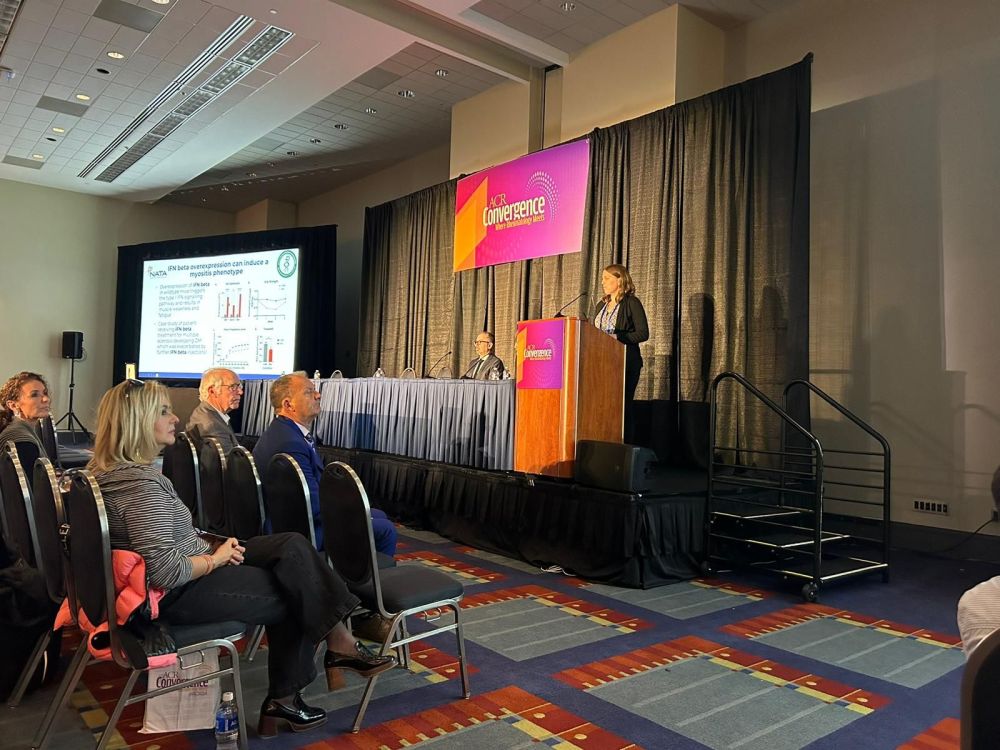
NATA researchers, supported by the Cure JM Foundation, are developing a targeted siRNA therapy to reduce interferon beta, a key driver of inflammation in juvenile dermatomyositis. This approach aims to offer a safer, more precise alternative to current treatments.
For children with juvenile dermatomyositis (JDM), a rare autoimmune disease, muscle weakness and skin inflammation can turn everyday activities into painful struggles. JDM is primarily an autoimmune condition with genetic and environmental factors playing a significant role in its development and progression. At NATA, we are targeting the inflammatory pathway to influence its severity.
The Cure JM Foundation is funding a project at NATA focused on the role of interferon beta protein. This protein plays a crucial role in immune system signalling, but in JDM, it remains overactive even when no infection is present. This leads to chronic inflammation, damaging muscle tissue over time.
At NATA, Dr Joanna Parkes is developing an oligonucleotide-based therapy designed to selectively reduce interferon beta levels. By blocking the cellular machinery responsible for producing this protein, we aim to dampen down the immune system's false alarm, preventing unnecessary inflammation. These molecules are being tested in patient-derived cells, ensuring that our approach is tailored to real-world disease conditions.
Why this matters: a new direction in JDM treatment
The main treatments for adult and juvenile dermatomyositis (DM/JDM) are immunosuppressants and corticosteroids—broad-acting drugs that can come with serious side effects that aren’t always effective. For patients and families navigating long-term treatment, the need for more precise, safer alternatives is critical.
Emerging evidence shows that the overproduction of interferon beta correlates strongly with disease severity in both DM and JDM. That’s why our research is centred on using small interfering RNA (siRNA) to knock down the expression of the IFNB1 gene, which encodes interferon beta. This makes IFNB1 a highly attractive therapeutic target, and our approach represents a promising step toward next-generation therapies in autoimmune muscle diseases.
We’re currently testing lead siRNA molecules in skin cells, where we’ve already observed promising efficacy and low toxicity. Our team is now conducting RNA sequencing to assess potential off-target effects, helping ensure the safety and specificity of our therapy as it moves closer to preclinical validation. With Cure JM’s support, we hope to explore new treatment options for JDM and bring this research one step closer to clinical application.
For more information on Cure JM Foundation: Cure JM Foundation